

Product & Experience Design
Turning ideas into reliable outcomes with measurable impact.
This process is for teams building complex products, programs, or platforms who need clarity, alignment, and momentum; not just assets.
Building Your First Reliable Version
An MVP, minimum viable product, is the first version of a product with a basic set of features. An MVP should strike the right balance between minimum and viable. This process supports:
Website builds
Digital platforms & SaaS features
Interactive experiences
Game levels & participatory media
Strategic marketing systems
All with measurable outcomes and client alignment every step of the way.

Kickoff
Define What Success Looks Like
Purpose: define why we’re building this and how success will be measured.
This is where we build shared understanding, map stakeholder goals, and align on outcomes before any line of code, wireframe, or asset gets created.
Outcome: shared definition of success and a clear path forward.
Activities
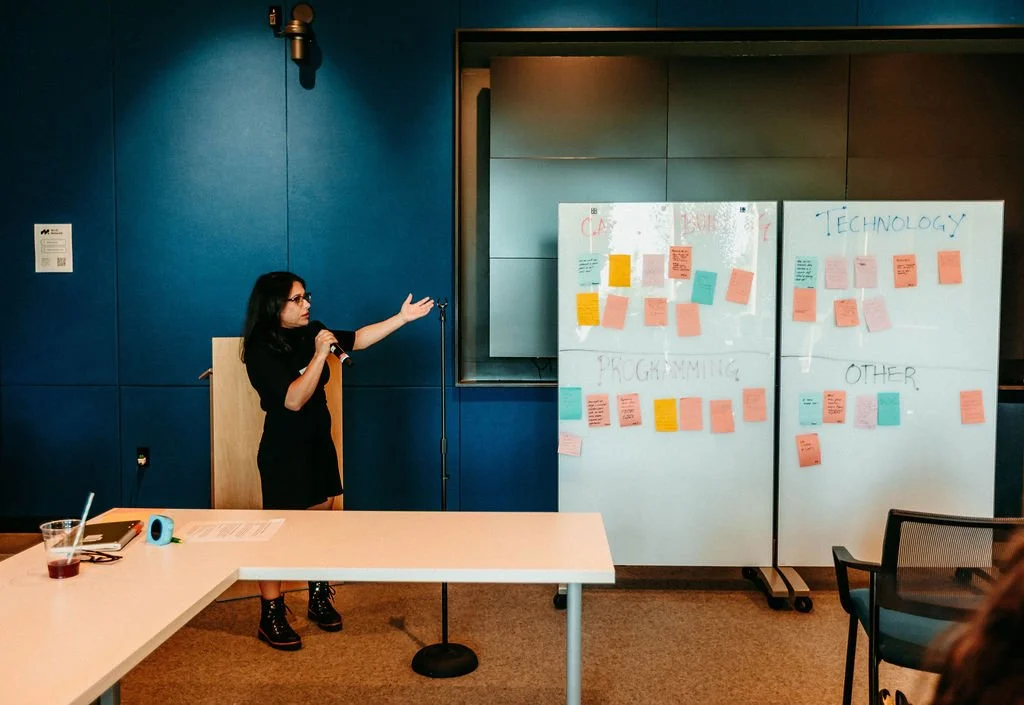
Vision refinement workshop
Goals & success metrics definition
Stakeholder role mapping
Operational cadence planning
Priority roadmap creation
Decision Framework
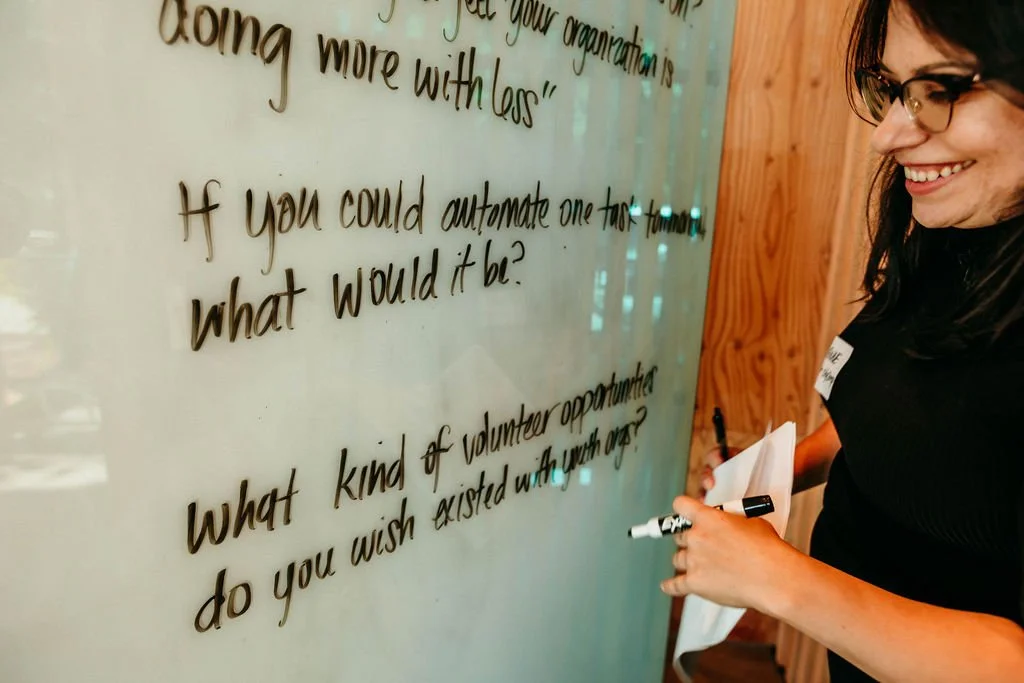
Problem framing & assumption mapping
Trade-off analysis (scope, cost, risk, impact)
Prioritization tied to success metrics
Constraints & dependency identification
Clear decision ownership & next steps
Outputs
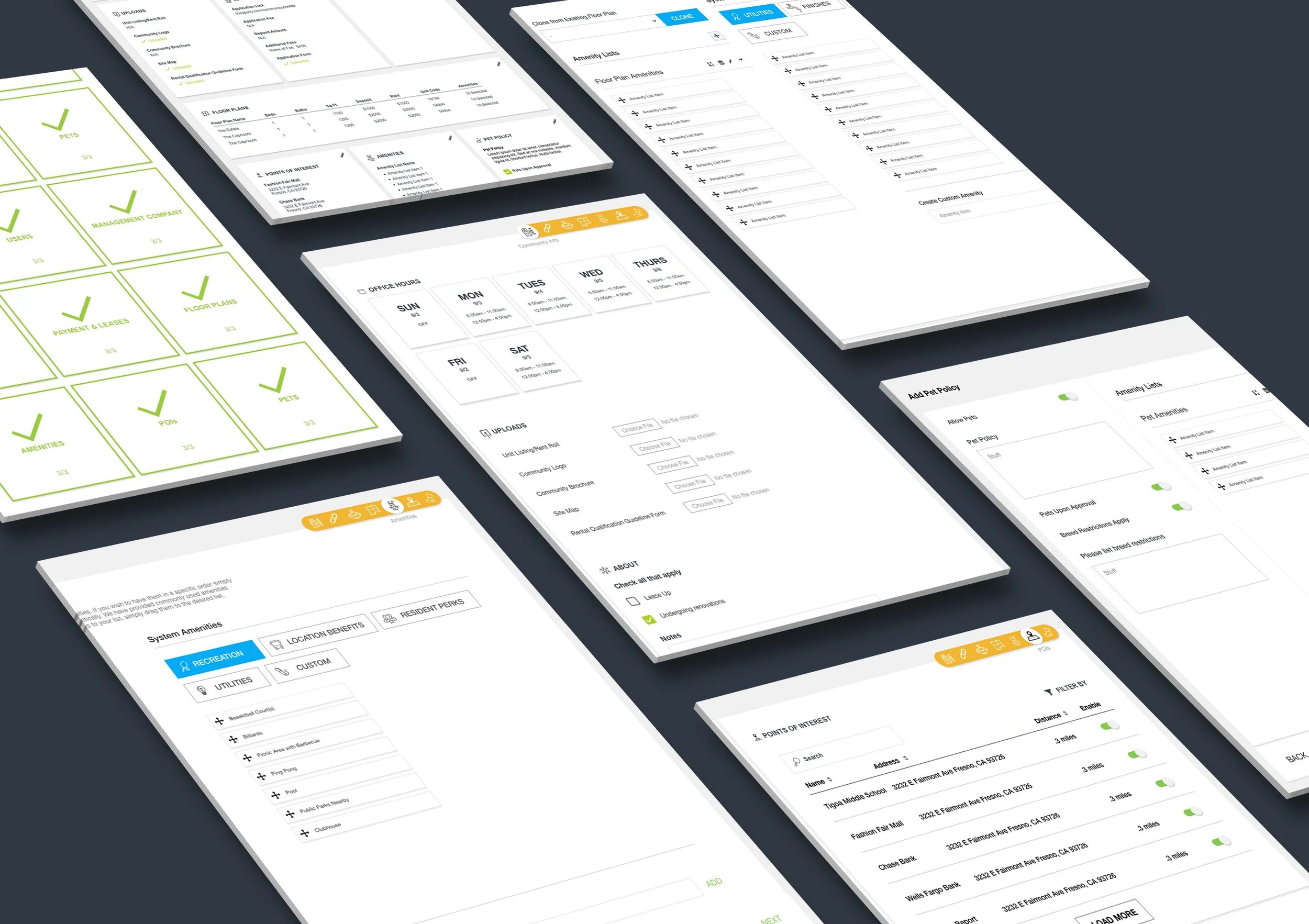
Strategy brief
Success metrics dashboard
Prioritized product backlog

Discovery
Reduce Uncertainty Through Research
Purpose
Discovery ensures we’re solving the right problem before investing time and resources.
What happens here
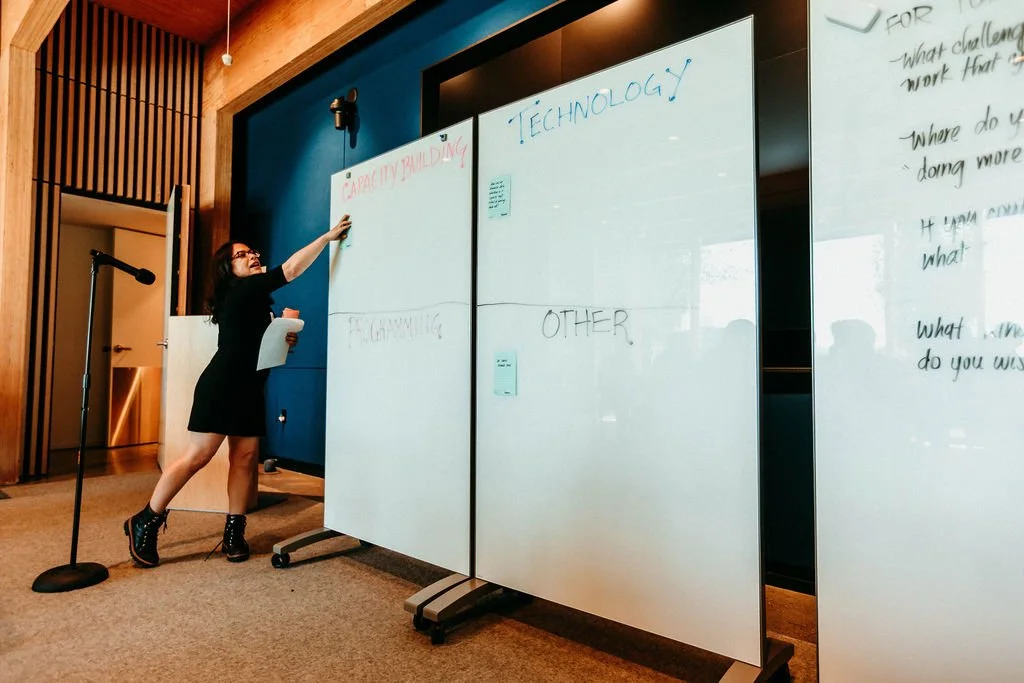
We gather insight about users, context, and constraints to understand what matters most and where effort will have the highest impact.
Tools + methods
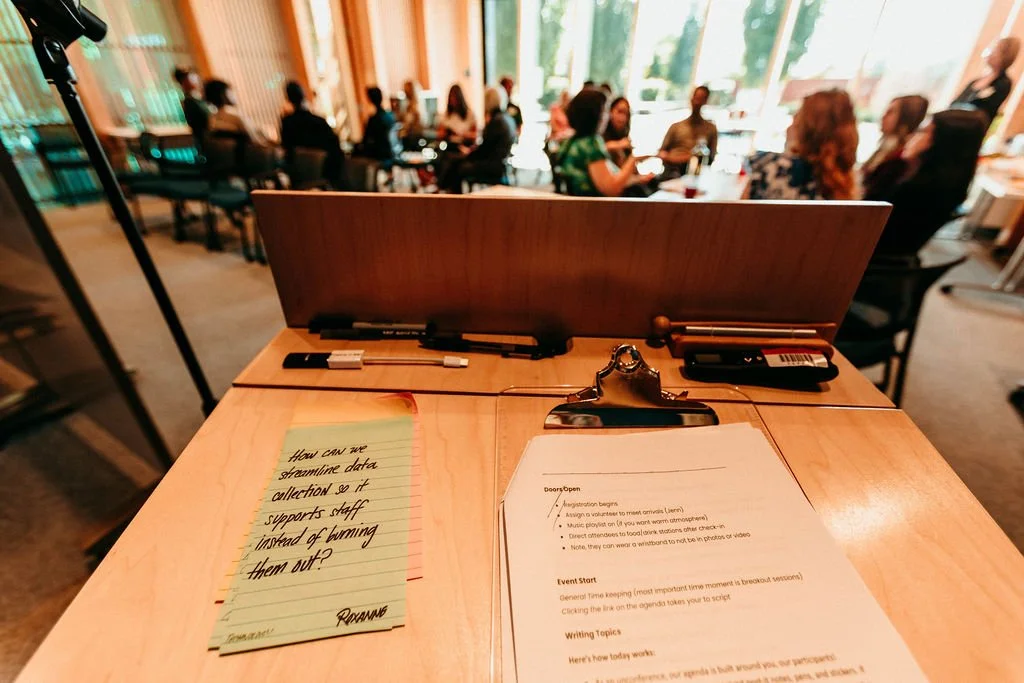
Interviews & surveys
Empathy mapping
User journeys & scenarios
Competitive and contextual analysis
We explore
Target audiences and real user needs
Technical, organizational, and budget constraints
Current behaviors, pain points, and motivations
Existing solutions and gaps
Technical, organizational, and budget constraints

You get
A research brief that informs every downstream decision
Clear problem statements and opportunity areas
A prioritized feature or concept list rooted in evidence

Once we have clarity on the problem and opportunity, we move into shaping the strategy.

Strategy
Turn Insight Into a Clear Plan
Purpose
Translate research into a focused strategy that aligns goals, scope, and execution.
This is where we decide what to build, what not to build, and why.
Tools + Methods
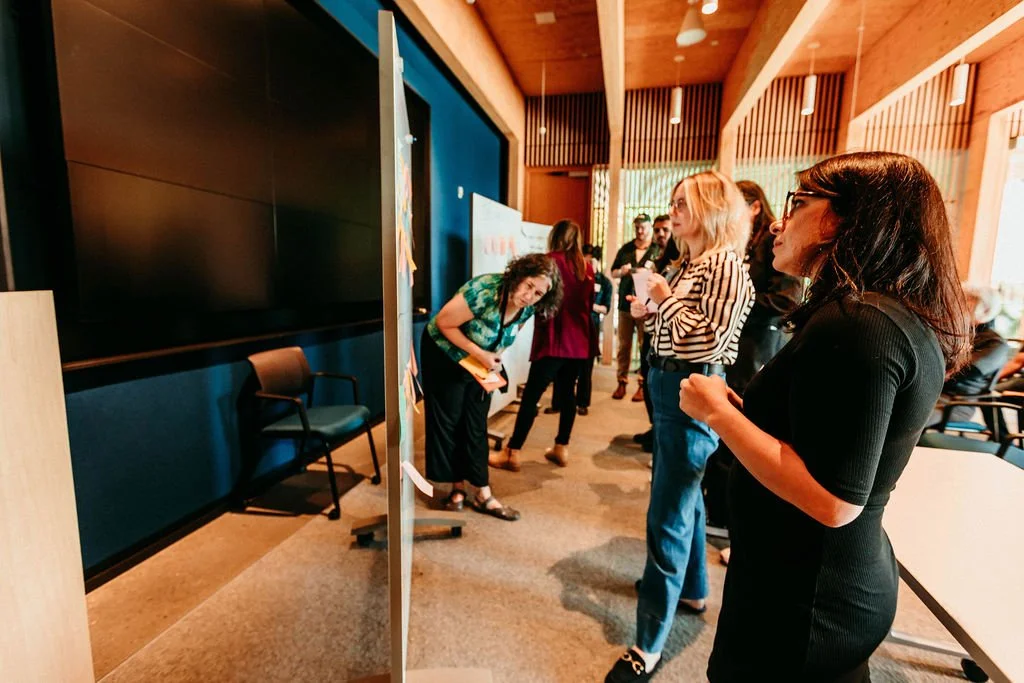
Product or experience roadmapping
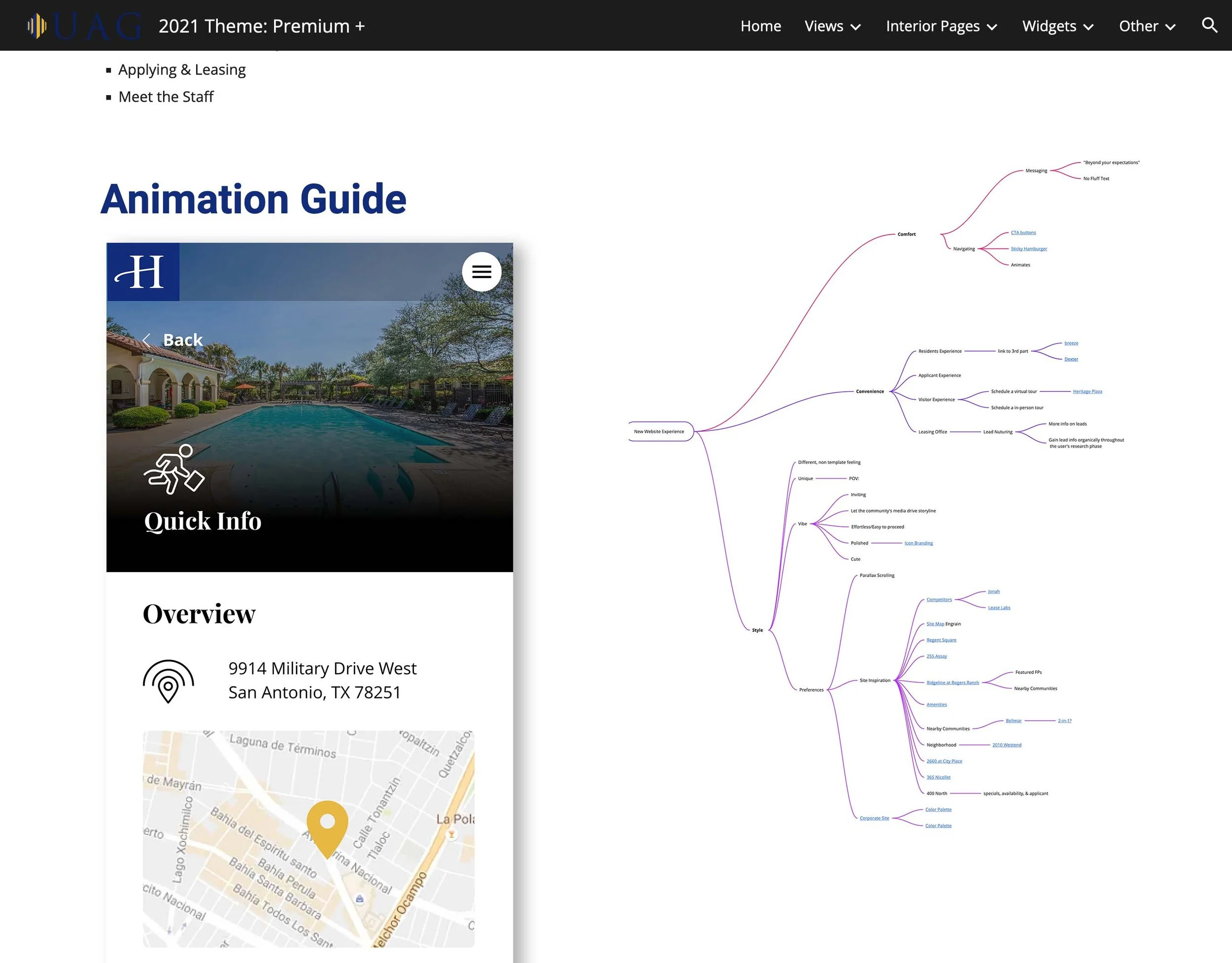
UX strategy & information architecture
Feature prioritization frameworks
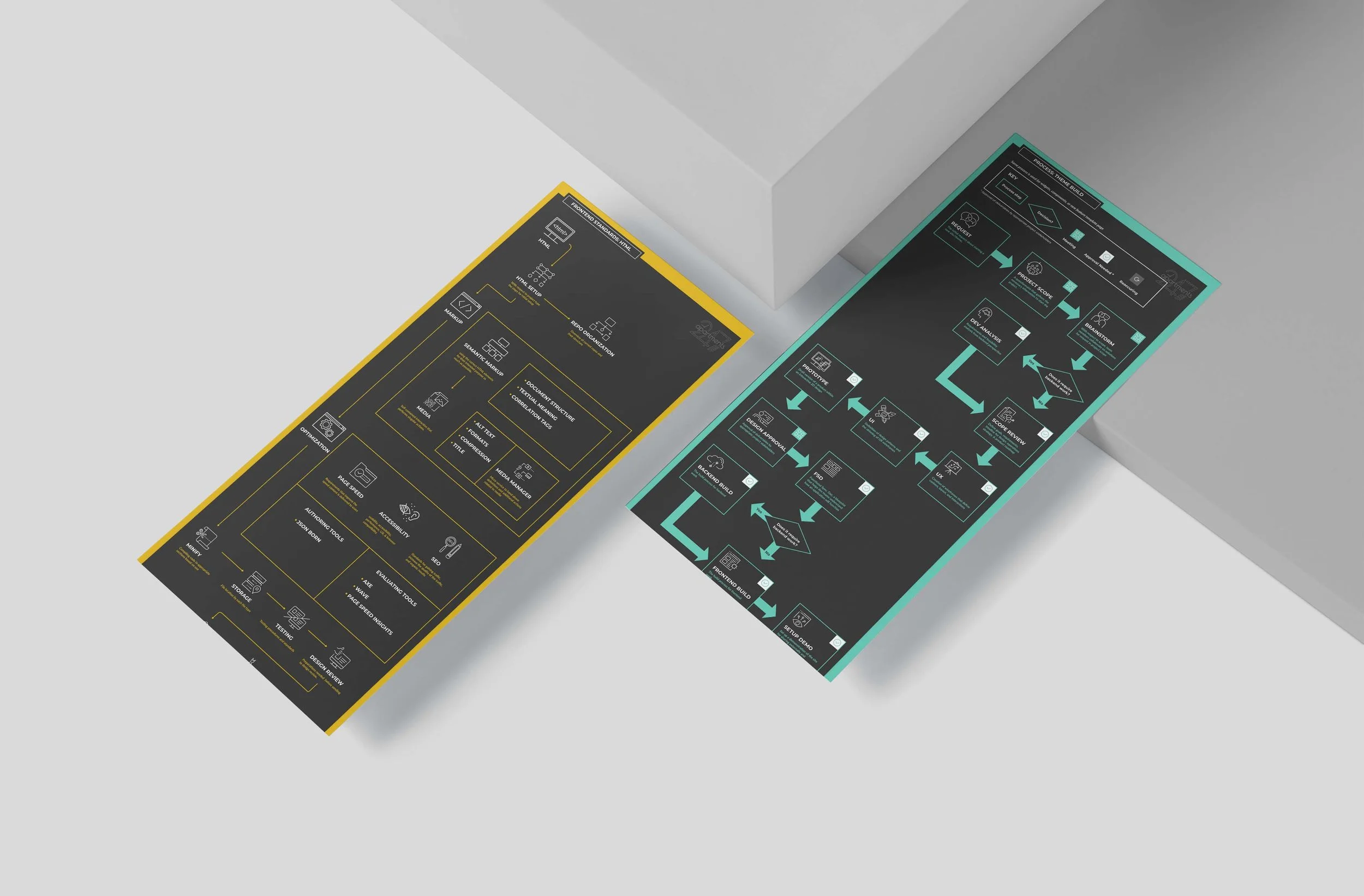
System and flow mapping

We explore
Core value propositions
Feature trade-offs and dependencies
Experience flows and system logic
Alignment between goals, users, and capacity
You get
A clear product or experience strategy
UX flows or wireframes
Functional specifications
A prioritized roadmap tied to success metrics
Validation
Test Assumptions Before You Commit
Purpose
Validate ideas early so investment goes toward things that actually work.
This phase minimizes risk by testing concepts before full build.
Tools + Methods
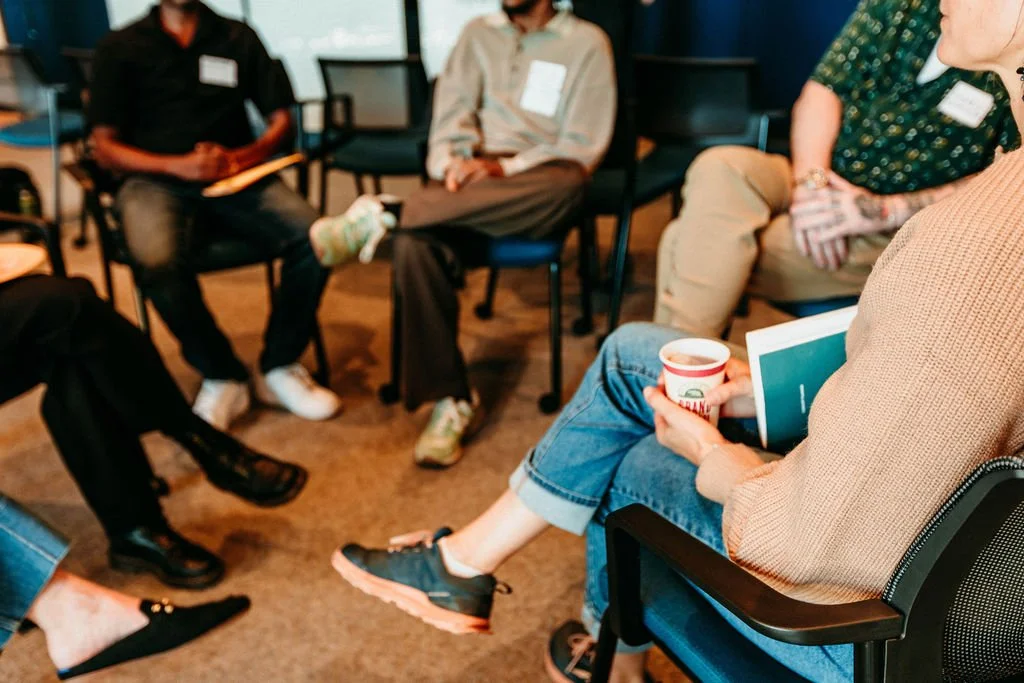
Prototyping (low and high fidelity)
Usability testing
Feedback synthesis
Iteration planning
We explore
Whether users understand and value the concept
Where friction or confusion occurs
Which ideas perform best against success metrics
You get
Tested prototypes
Clear validation insights
Refined priorities based on real feedback

Design & Build
Turn Strategy Into a Real Product
Purpose
Bring the validated strategy to life through intentional design and execution.
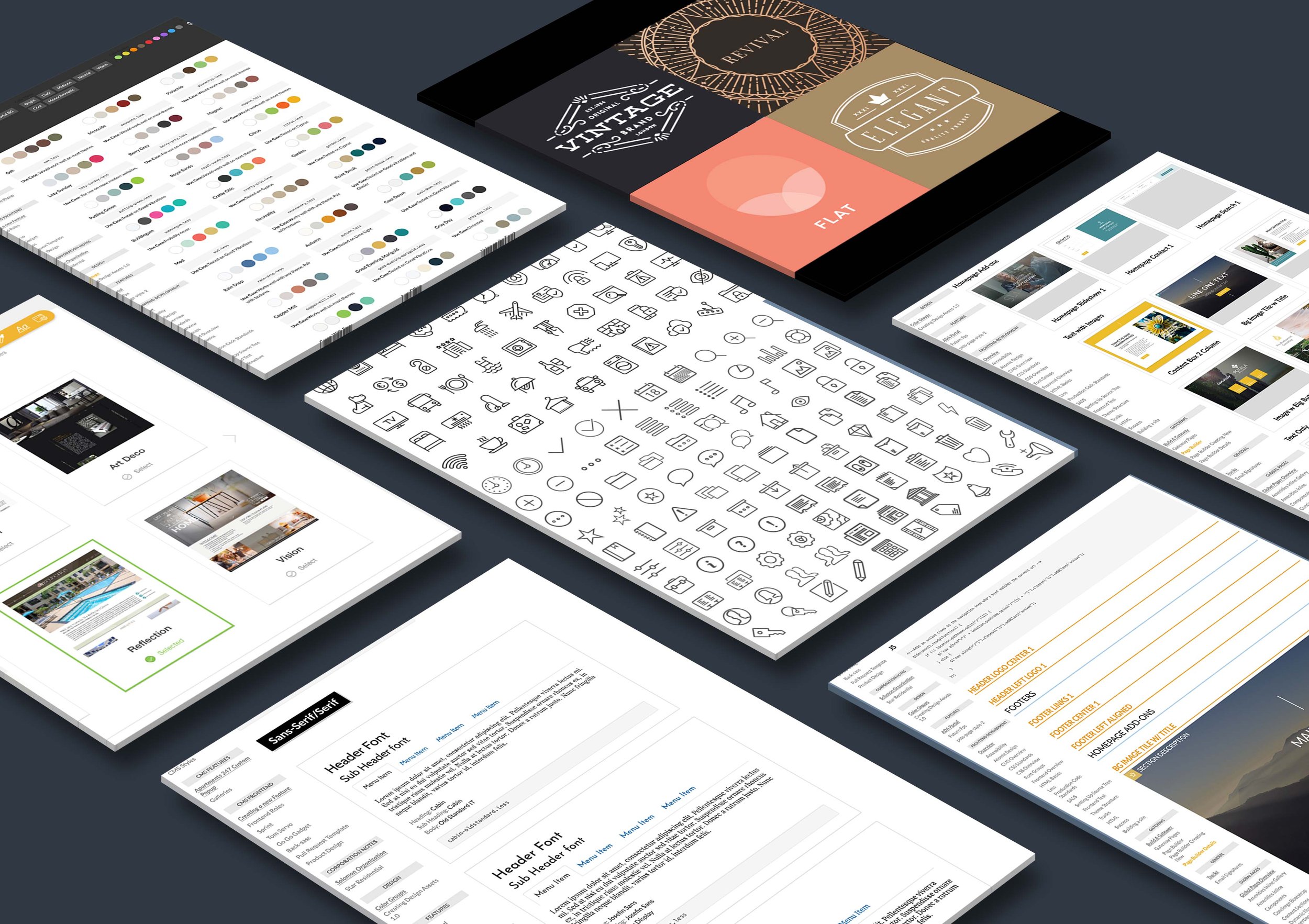
Depending on the product the process will include an array of deliverables that are used to find a functional solution that meets or exceeds the users’ expectations.

Tools + Methods
Visual and interaction design
Design systems and component libraries
Content and accessibility considerations
Development coordination and handoff

We explore
How the experience feels and functions in practice
Accessibility, usability, and clarity
Consistency across screens, features, or touchpoints
You get
Production-ready designs or assets
Clear documentation for development or launch
A cohesive experience aligned to strategy
Launch & Optimization
Measure, Learn, and Improve
Design doesn’t stop at launch. You get a roadmap for scale instead of a one-time artifact. In this step, I would use qualitative and quantitative research methods to understand how the product is performing. Solutions will be tested using UX methods and an implementation roadmap will be delivered.

Tools + Methods
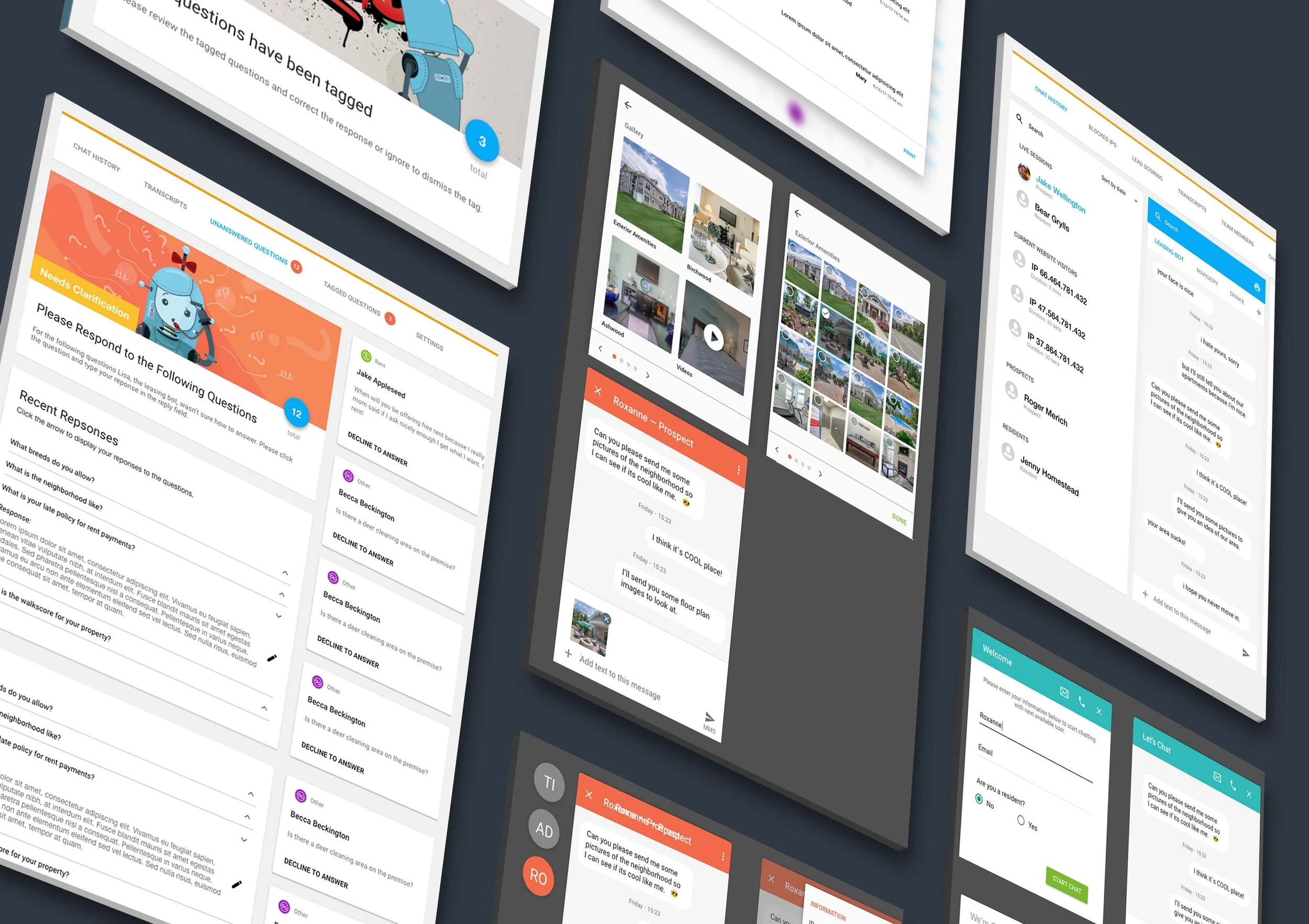
KPI tracking and dashboards
Feedback loops and user insights
Iteration planning
Performance reviews
We explore
What’s working and what’s not
How users are engaging in the real world
Where improvements will have the most impact
You get
Performance insights tied to original success metrics
A prioritized improvement roadmap
A system for ongoing iteration
